



عربتك فارغة، يمكنك اضافة عناصر من خلال المتجر

بتمويل من البنك الاستثماري (2012- 2021) نبذة عن المشروع تعمل الجمعية الملكية لحماية الطبيعة على الترويج للزراعة العضوية في منطقة عجلون، وتسعى الجمعية إلى تحقيق هذا الهدف من خلال تنفيذ مجموعة من المبادرات والتي تدعم الزراعة العضوية في المنطقة. قامت الجمعية في عام 2013 بتطوير شراكة مع جمعية محلية في منطقة عجلون من أجل دعم برنامج الزراعة العضوية وتطوير مبادرة سوق الشمس البلدي حيث يتم عرض منتجات المزرعة العضوية في مركز برية الأردن و بشكل دوري. أهم المخرجات والنتائج المتوقعة للمشروع :- زيادة عدد المزارع المرخصة عضوياً في منطقة عجلون لأكثر من 25 مزرعة تنتج مختلف المنتجات حسب احتياجات السوق. تقييم الاحتياجات التدريبية للجمعية المحلية الشريكة وبناء قدرتها والعمل على إشراكها في أنشطة المشروع و الإستفادة منها. برنامج تسويقي لسوق الشمس البلدي والذي يسوق لمنتجات الزراعة العضوية.
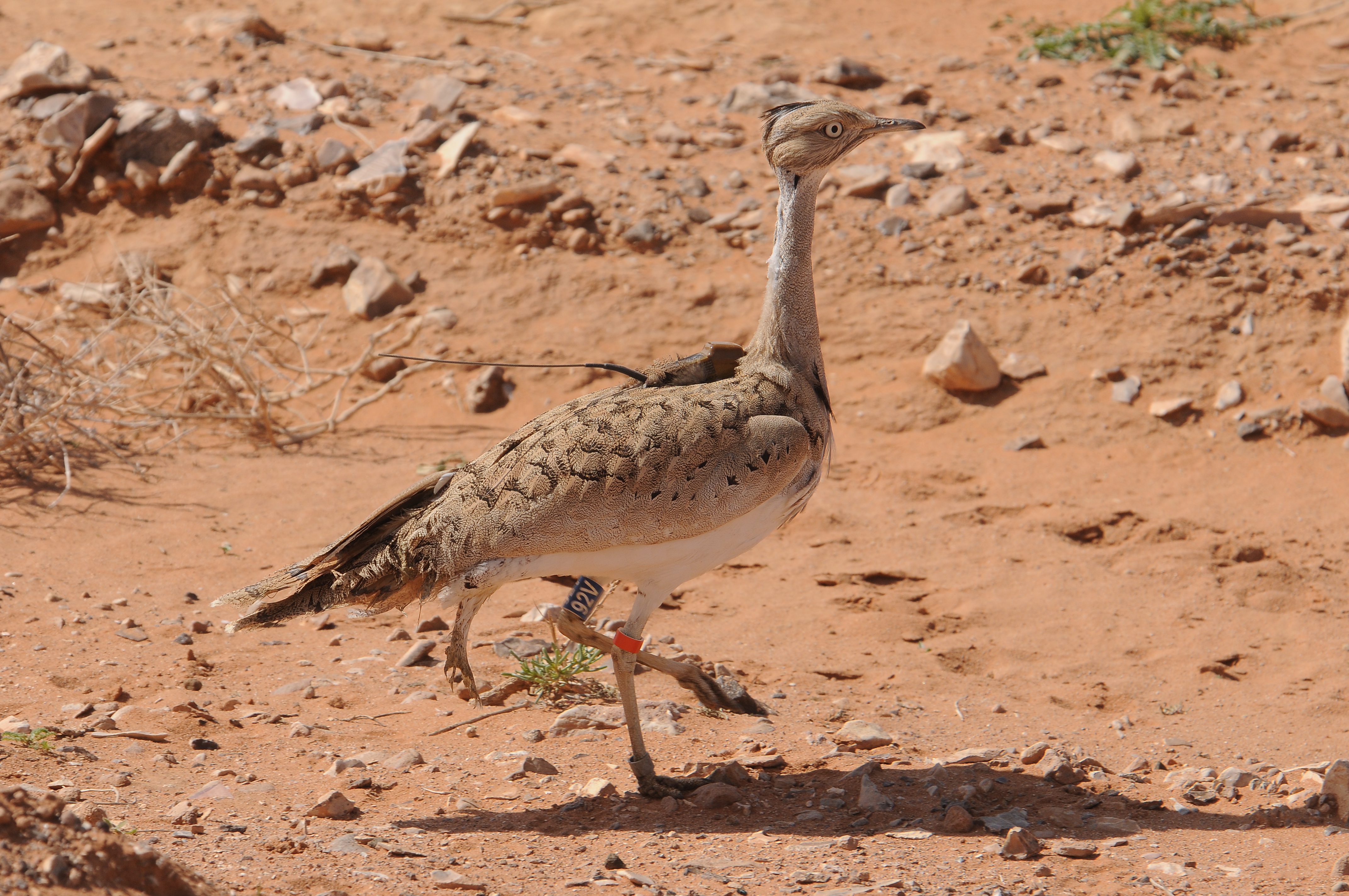
بتمويل من الصندوق الدولي للحفاظ على الحبارى- الإمارات العربية المتحدة (2014- 2017) نبذة عن المشروع وافق الصندوق الدولي للحفاظ على الحبارى في الإمارات العربية المتحدة على مقترح تقدمت به الجمعية الملكية لحماية الطبيعة من أجل إطلاق طائر الحبارى في موطنه ضمن مناطق المملكة الأردنية الهاشمية، وتقوم الجمعية ومن خلال المشروع بتحديد مناطق الإطلاق بناءً على دراسات بيئية تفصيلية وبعدها يتم إطلاق الطائر في هذه المناطق من خلال الطيور والتي يزود الصندوق بها الجمعية، ويتم تتبع الطائر من خلال الأقمار الاصطناعية وأجهزة التتبع الراديوي، كما يرافق الإطلاق برنامج وطني للحماية يركز على المناطق التي ينشط فيها طائر الحبارى وبرنامج وطني للتوعية حول أهمية الطائر والمحافظة عليه. أهم المخرجات والنتائج المتوقعة للمشروع سيعمل المشروع على إعادة طائر الحبارى إلى موطنه في الأردن وبطريقة مستدامة، وسيعمل المشروع على وجه الخصوص على تحقيق الأهداف التالية: دراسة وطنية متخصصة حول المناطق المرشحة لإطلاق الطائر بناءً على أسس علمية صحيحة. إطلاق الطائر وعلى مراحل في المناطق التي يتم اختيارها لذلك. برنامج مراقبة وتتبع باستخدام أفضل الوسائل التكنولوجية المعمول بها في هذا المجال. برنامج حماية وطني لطائر الحبارى في مناطق انتشاره. برنامج توعية وطني حول أهمية طائر الحبارى وكيفية المحافظة عليه.

الممول من الوزارة الاتحادية الألمانية للتعاون الاقتصادي و التنمية والوكالة الألمانية للتعاون الدولي (2017-2022) بالنيابة عن الوزارة الاتحادية الألمانية للتعاون الاقتصادي والتنمية، تعمل الوكالة الألمانية للتعاون الدولي والجمعية الملكية لحماية الطبيعة وبالتعاون مع وزارة البيئة على تنفيذ مشروع تحسين البنية التحتية الخضراء في الأردن من خلال إجراءات العمالة المكثفة. بحيث يقوم المشروع باستهداف تشغيل الرجال والنساء من الأردنيين والسوريين والذين هم بحاجة للعمل حيث يعملون على تحسين البنية التحتية الخضراء في المناطق والقرى التي يعيشون فيها، وفي المقابل يحصلون على دخل شهري لقاء هذا العمل. حيث يقوم العمال بزراعة الأشجار ويساهمون في أعمال البستنة الحضرية وإنشاء مناطق للتنزه وحدائق وملاعب ومرافق رياضية بحيث تكون ملائمة للاستخدام. مما يعمل على توفير بنية تحتية خضراء للمجتمعات المحلية وسكان المنطقة وبالتالي تعزيز الترابط والتواصل بين الجيران والعائلات. خلال فترة تنفيذ المشروع تم زراعة ما يقارب 70 ألف شتلة من النباتات الاصيلة في المناطق التي استهدفها المشروع، وانشاء وإعادة تأهيل أكثر من 120 كيلو متر من مسارات المشي في المحميات الطبيعية ومحيطها كما تم إعادة تأهيل حوالي 1600 دونم من الأرضي بما فيها الحدائق العامة والمتنزهات. تم تنفيذ المشروع على مدار ستة أعوام ابتداء من شهر تشرين ثاني 2017 داخل المناطق المحمية وفي مجموعة القرى التي تحيطها بها ووظف أكثر من 2500 عامل وعاملة من العمالة الأردنية والعمالة السورية بحيث يوفر ما لا يقل عن شهرين كحد أدنى من العمل لكل شخص منهم. كما تم بناء قدرات العمال من خلال عقد حوالي 175 دورة تدريبية على برامج تدريبية إضافية في مجالات مختلفة مثل السياحة البيئية أو البستنة أو المهارات الحياتية.

الممول من مرفق البيئة العالمي وبرنامج الأمم المتحدة الإنمائي (2018-2023) يعتبر مسار حفرة الانهدام ثاني أهم مسار لهجرة الطيور الحوامة على مستوى العالم، اذ يعبره حوالي 1.5 مليون طائر سنوياً تتبع على الأقل الى 37 نوع منها خمس أنواع مهددة على المستوى العالمي. يهدف هذا المشروع إلى دمج اعتبارات الطيور الحوامة المهاجرة على طول مسار الهجرة في القطاعات الإنتاجية التي تشكل أكبر خطر على الهجرة الآمنة لهذه الطيور - وبشكل أساسي الصيد، والطاقة، والسياحية، والزراعة، وإدارة النفايات. وقد ولّدت هذه القطاعات المختلفة العديد من المشاكل البيئية في حفرة الانهدام بسبب عدم التوازن والاستهلاك المفرط للموارد الطبيعية وإدارة الأراضي. وستعمل الجمعية الملكية لحماية الطبيعة وبالشراكة مع بيردلايف انترناشونال من خلال هذا المشروع الممول من مرفق البيئة العالمي GEF وبرنامج الأمم المتحدة الإنمائي UNDP والمنفذ خلال الأعوام (2018- 2023) على دمج الارشادات التوجيهية لجميع القطاعات الإنتاجية ضمن أنماط استخدامات الأراضي الوطنية على طول مسار وادي الأردن وانشطتها الإنمائية، والتخفيف من التهديدات في القطاعات الخمسة من منظور التخطيط والتنظيم المستدام للأراضي والمصادر الطبيعية.

الممول من بيرد لايف إنترناشيونال (2018-2023) يصنف الرخمة المصرية ضمن قائمة الأنواع المهددة بالانقراض وفقاً لمعايير الاتحاد الدولي لحماية الطبيعة IUCN كأحد أنواع الطيور الجارحة المهاجرة وهي تواجه العديد من التهديدات في مناطق الشرق الأوسط عند عبورها بين مناطق تكاثرها وتفريخها في أوروبا الشرقية والجنوبية ومنطقة البلقان ومناطق تشتيتها في أواسط وشرق أفريقيا. باعتبارها عنصرا مميزاً للتنوع الأحيائي لأجل الحفاظ عليه في مناطق تكاثره وتفريخه في منطقة البلقان وفي المناطق التي يسلكها أثناء الهجرة في الشرق الأوسط وفق مسار الهجرة في شرق المتوسط إلى مناطق تشتيته في أواسط أفريقيا. التهديدات في الشرق الأوسط هي بالتحديد تلك الناجمة عن الصيد والاتجار غير القانوني والصعق الكهربائي والتصادم مع منشآت وشبكات توليد ونقل الطاقة وكذلك إلى حد معين الازعاج والملاحقة والتسمم. وستعمل الجمعية الملكية لحماية الطبيعة كونها الشريك الوطني لبيرد لايف إنترناشونال على المخرجات الوطنية للمشروع خلال الفترة من عام 2018 وحتى عام 2023 وذلك للحد من موت أفراد الرخمة المصرية بسبب أنشطة توليد الطاقة وشبكات نقل إمدادات الطاقة (الاصطدام بالمنشآت الأساسية لتوليد الطاقة من الرياح والصعق بالكهرباء).

الممول من مؤسسة الأمير ألبرت الثاني- أمارة موناكو (2018 -2021) تعمل الجمعية الملكية لحماية الطبيعة على تنفيذ مشروع خاص بالإدارة المتكاملة للمياه في محمية غابات اليرموك وما حولها، وذلك من خلال اتفاقية بتمويل من مؤسسة الأمير ألبرت الثاني. ويهدف المشروع الى تطبيق نهج متكامل لإدارة الموارد المائية الطبيعية في محمية غابات اليرموك والتي تضمن المحافظة على نظام المياه الطبيعي، والاستخدام المستدام للموارد المائية في المنطقة. هذا ويرتكز المشروع على النهج التشاركي وتشجيع أصحاب العلاقة والمجتمعات المحلية المستهدفة للمحافظة على النظام الطبيعي للموارد المائية في المنطقة. كما يساهم هذا المشروع في الجهود الوطنية والدولية في صيانة وإدارة النظم البيئية في الأراضي الرطبة والمياه الطبيعية من خلال إدخال هذا النهج المتكامل كنموذج يمكن تكراره في مناطق أخرى في الأردن، وعلى مستوى منطقة الشرق الأوسط أيضاً. ويتضمن المشروع أنشطة تتعلق بالإدارة المتكاملة للموارد المائية ومنها برامج الممارسات الزراعية المستدامة، بالإضافة الى التوعية وبناء القدرات. ويشار الى أن محمية غابات اليرموك والتي أسستها الجمعية الملكية لحماية الطبيعة تقع في الأجزاء الشمالية الغربية من الأردن على الحدود مع هضبة الجولان. الهدف العام للمشروع: تطبيق نهج متكامل لإدارة الموارد المائية الطبيعية في محمية غابات اليرموك، والتي تضمن المحافظة على نظام المياه الطبيعي، والاستخدام المستدام للموارد المائية في المنطقة. أهم المخرجات: بناء القدرات في مجال الممارسات الصديقة للتوفير في استهلاك المياه، والممارسات الزراعية الصديقة للبيئة، والتي تشمل تقنيات الحصاد المائي والري. بالإضافة الى البرامج الخاصة بالتخطيط البيئي المتكامل وإدارة الموارد المائية، وكذلك تشجيع الاستخدام المستدام لخدمات النظام البيئي المتعلقة بالأحواض المائية. اجراء دراسات بيئية، واجتماعية، واقتصادية لمحمية غابات اليرموك كأساس لتنفيذ التخطيط والادارة البيئية المتكاملة للموارد المائية. تطوير خطة متكاملة لإدارة النظام المائي الطبيعي في محمية غابات اليرموك، والمناطق المحيطة فيها وفقا لمنهج الادارة المتكاملة للموارد المائية. تطوير استراتيجية شاملة لمشاركة المجتمعات، المحلية وأصحاب العلاقة المعنيين. تطوير وتنفيذ نموذج عمل ريادي ايضاحي لنظام خاص بالزراعة المستدامة. نشر وتعزيز أفضل الممارسات في مجال الزراعة المستدامة، وادارة الموارد المائية في الاردن والاقليم.


